
Financial fraud cases
We regularly analyse high-profile collapses of exchanges, brokers and Ponzi schemes — not for sensationalism, but to show the recurring patterns worth recognising. Every case draws on verified public sources.
True Forex Funds: when the regulator warned, and the company fell anyway
For years the company appeared on the CFTC's "red list" for illegally working with U.S. clients. When MetaQuotes revoked its licence without warning in February 2024, the collapse became only a matter of time. The firm's management called the decision "incomprehensible and irrational" — but could no longer stop the consequences.

Banc de Binary — when branded advertising concealed quote manipulation
For nine years, this Cyprus-based company looked like a respectable financial brand — with a CySEC licence, a professional website and advertising around the world. Founded in 2009 by the Israeli-American entrepreneur Oren Shabat Laurent, it earned the status of one of the first CySEC-licensed binary options brokers and for years attracted clients in dozens of countries. According to lawsuits by the CFTC and the SEC, behind this facade lay a platform that manipulated the quotes on its own trading venue, cutting off the connection to the client precisely when they began to make money.
The token with no exit: how scammers made $3.38 million off the series the whole world was watching (Squid Game Token)
In the autumn of 2021, while the entire world was talking about Netflix's "Squid Game," anonymous developers released the SQUID token with a hidden sell-blocking function — you could buy freely, but you could not sell. Within days, the token, named after the most popular series on the planet, surged in price by tens of millions of percent, transforming from a penny asset into a token worth thousands of dollars. The story of SQUID became one of the fastest and most telling examples of how media hype can completely switch off investors' critical thinking.
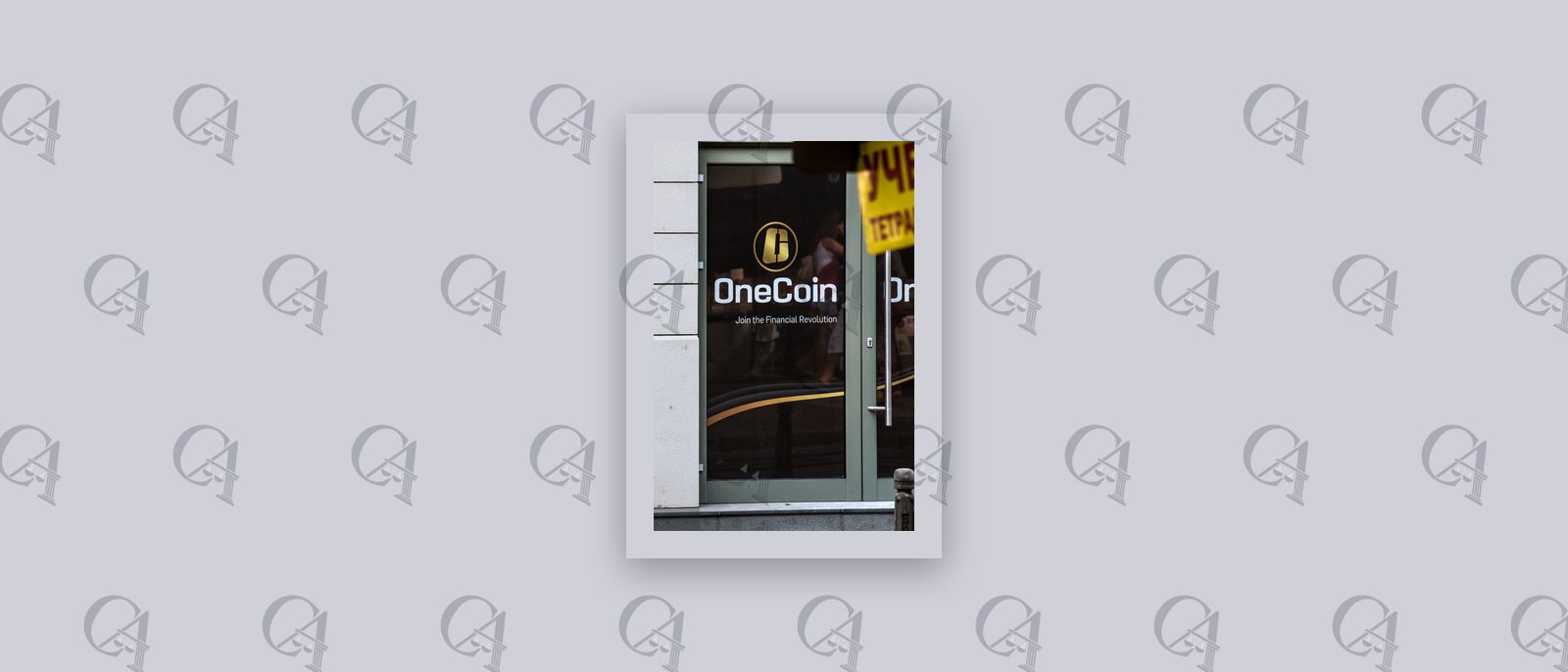
OneCoin: the cryptocurrency that never existed
Millions of people around the world bought a cryptocurrency whose price no one could actually verify — because there was no blockchain behind it. Instead of an open ledger of transactions, the coin's price was simply "drawn" each day inside the company itself. This was OneCoin — a project its creators called a "Bitcoin killer," which turned out to be one of the largest financial pyramid schemes in the history of cryptocurrency.

Twenty years of lies: how the head of Peregrine Financial robbed 13,000 traders (PFGBest)
Russell Wasendorf Sr. personally intercepted the auditors' mail so that they would never see his company's real bank statements — and he did so for twenty years running. Peregrine Financial Group, better known to clients as PFGBest, had for years enjoyed a reputation as one of the most stable independent futures brokers in the US. When the scheme finally fell apart in the summer of 2012, the vault was short $215.5 million out of the more than $220 million in customer funds it claimed to hold. Thousands of traders who had entrusted the company with their deposits learned the scale of the catastrophe on the very same day the company's founder attempted to take his own life.

The billionaire who took the keys to 76,000 people's money to the grave (QuadrigaCX)
What happens if the only person who knows the password to millions of dollars of client funds suddenly dies? Customers of the Canadian exchange QuadrigaCX learned the answer through their own experience — and it cost them $215 million. For years, the platform looked like a model success story of young Canadian fintech. In reality, behind that facade lay the sole authority of the founder, which no one ever checked.

Madoff: a $65 billion pyramid without a single crypto token
Long before the arrival of cryptocurrencies and "automated trading bots", the largest financial pyramid in history was built by a man with an impeccable reputation on Wall Street — the former chairman of the NASDAQ exchange. For decades, Bernard Madoff's clients received steady returns year after year, in all market conditions, and it was precisely this stability — not some suspicious promise of extraordinary profits — that became the most convincing mask for the fraud.

A crypto bank run: how TITAN lost 100% of its value in a single day even with Mark Cuban's backing (Iron Finance)
Iron Finance drew the attention of even billionaire Mark Cuban, who publicly backed the project as a liquidity provider just days before the disaster. In the space of a day the TITAN token fell from roughly $65 to practically zero — not because of developer fraud, but because of a structural flaw in a partially collateralized stablecoin that played out as a classic "bank run." Participants' combined losses are estimated at more than $2 billion.
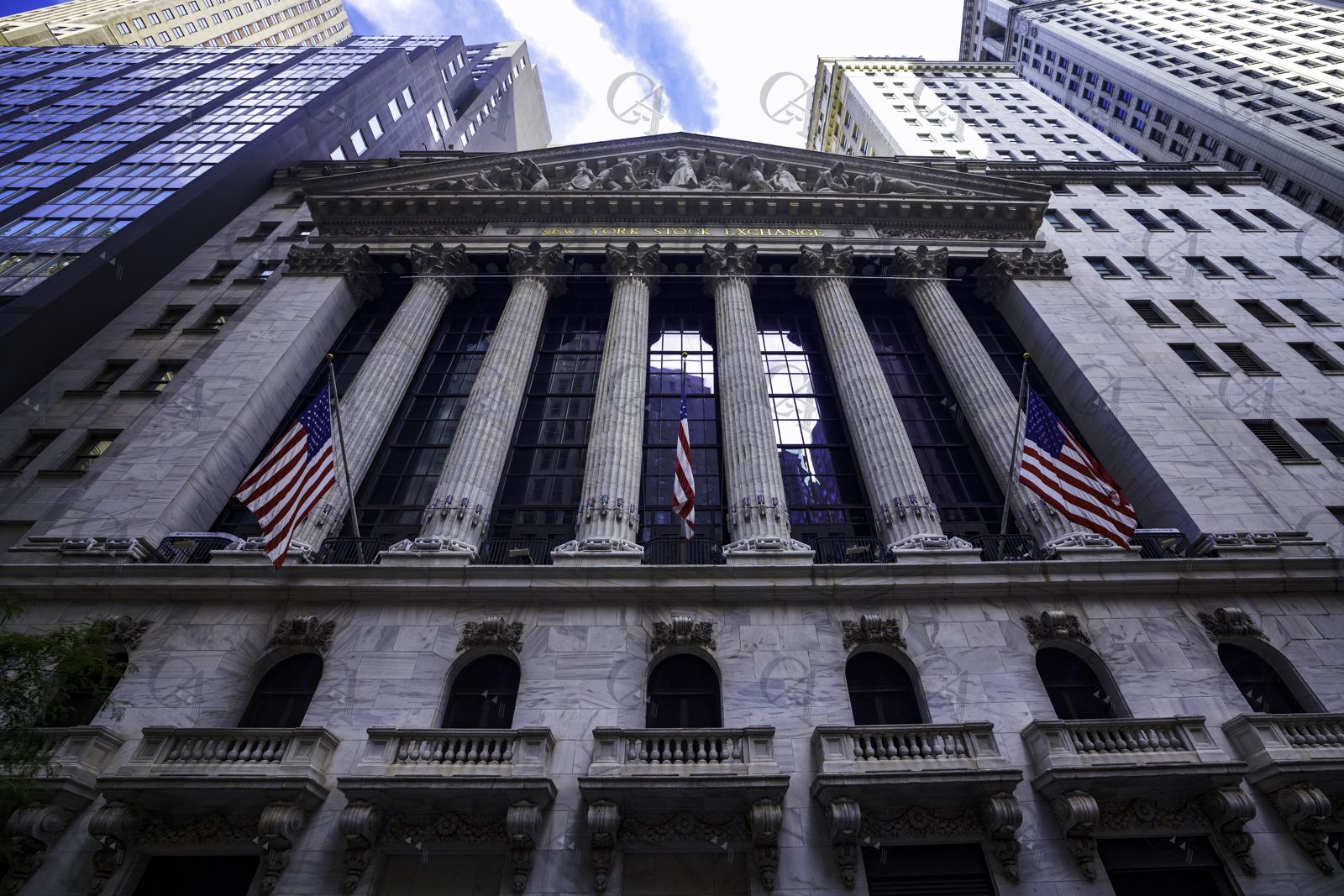
$430 million in debt two months after the IPO: the collapse of Refco
Two months after investors enthusiastically snapped up shares in its IPO, Refco Inc. went bankrupt — and it did so in just seven days. Refco was the largest independent futures broker in the US, a symbol of reliability in the exchange market. The cause of the collapse turned out to be both banal and shocking: the company's chief executive had for years hidden hundreds of millions of dollars in debt in an offshore entity under his control — and neither the auditors nor the investors who had just bought the company's shares on the exchange knew anything about it.

Yukom Communications — a call centre that cost victims $145 million and its head 22 years of freedom
Imagine a call centre in Tel Aviv where dozens of operators phone people all over the world every day under invented names, present themselves as financial advisers from London and show charts of soaring profits that in reality do not exist. That is how the Israeli company Yukom Communications operated from 2014 to 2017, running the BigOption and BinaryBook brands. At the head of the call centre stood Lee Elbaz — a woman who spoke publicly at industry fintech conferences as the successful head of a technology business, while behind the scenes she led one of the largest binary options fraud schemes ever uncovered in the United States. The consequence was 145 million dollars in funds lost by investors and one of the longest sentences for financial fraud in American judicial practice.

Finiko: the largest financial pyramid in Russia in recent decades
The project promised returns that, by the standards of the legitimate financial market, looked fantastical — from 20 to 30% per month, that is, many times more than any regulated investment instrument is capable of offering in a year. Finiko, which Kirill Doronin developed from 2019 onward, became one of the most notorious financial pyramids in the post-Soviet space in recent years, although investigators repeatedly revised the actual scale of the damage caused.
A £15.9 million shortfall: how WorldSpreads concealed the gap in client funds
When the UK regulator, the FCA, finally untangled WorldSpreads' finances, it emerged that the shortfall in client money amounted to at least £15.9 million. The most troubling aspect of the story was not the fraud itself, but who had committed it. The culprits were not outside fraudsters or hackers, but the company's own finance director and financial controller — people whose very roles existed precisely to guarantee the accuracy of the reporting.
They promised 13% a month from "Artificial Intelligence" — then simply vanished with the millions (Africrypt)
Two brothers from South Africa offered investors a monthly return of 13% thanks to a supposedly revolutionary artificial-intelligence trading algorithm. When the time came to account for the results, they chose the simplest way out — to disappear without a trace. Five years on, the story still has neither a final loss figure nor a court verdict.
FundedFirm: when $95M in payouts turned out to be fake, and the company simply corrected the figure
The company claimed $95 million in payouts to traders and over 700,000 participants in just a few months of operation. These figures contrasted starkly with only 2,700 Instagram followers and a handful of Trustpilot reviews. In November 2024, YouTube blogger Rohit Kumar proved that the FundedFirm website was effectively a copy of competitor FundedNext's site.
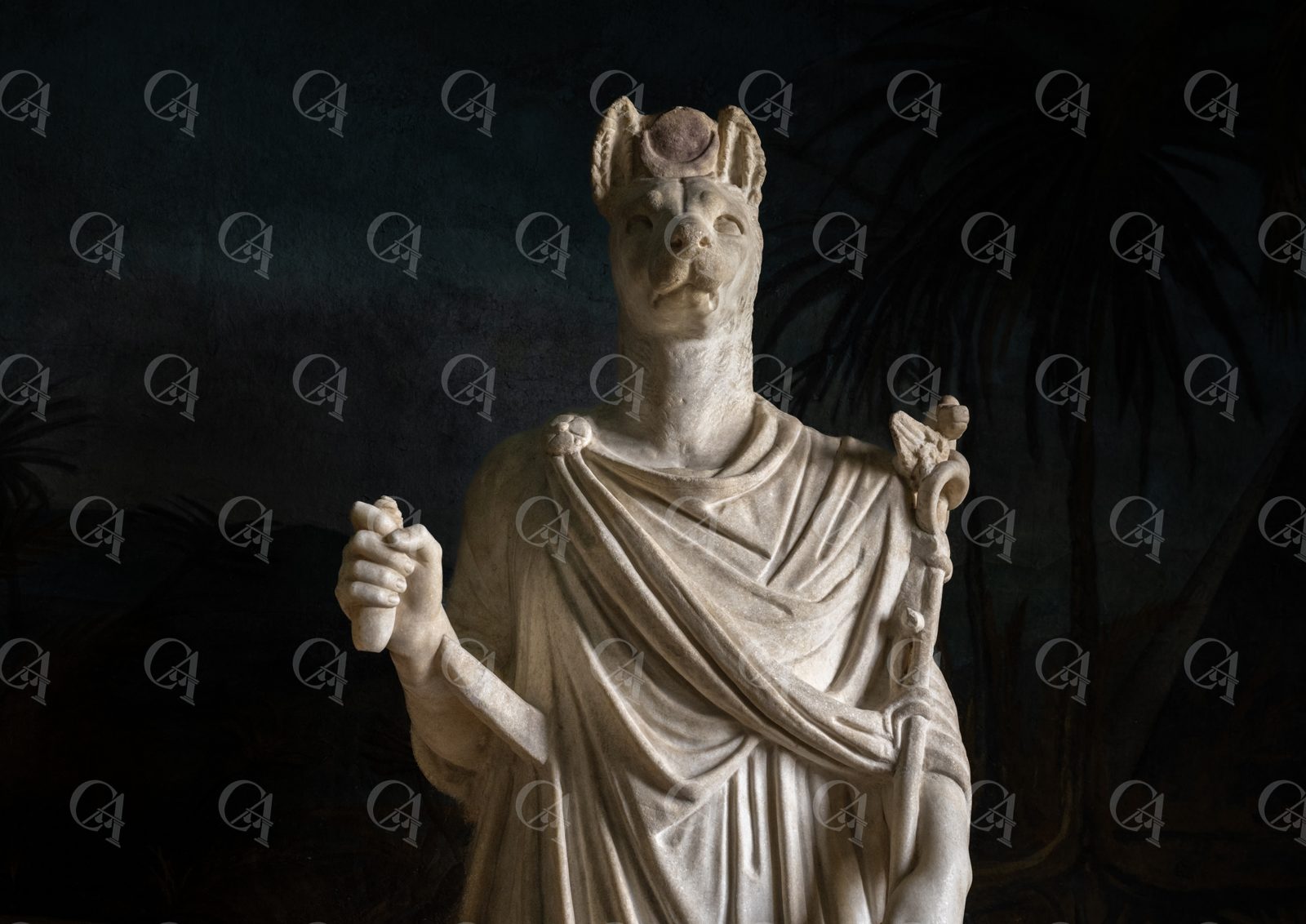
$60 million in 20 hours: how a nameless fork project fleeced investors before it even launched (AnubisDAO)
AnubisDAO had no website, no white paper, and no named team — only the idea of forking OlympusDAO and an active Discord chat full of enthusiasm. In 20 hours of selling its ANKH token, the project raised $60 million, which evaporated that same day along with its founders — the liquidity was moved to another wallet. It is one of the fastest and most structurally absurd rug pulls in DeFi history: investors handed money to a project that never managed to show a single product.
Forsage: the "Decentralized" smart contract that turned out to be a $340 million pyramid scheme
The project presented itself as something fundamentally new for the crypto market — a supposedly fully decentralized smart contract that operated without management, without an office, and beyond the reach of any regulation. This wrapper of technological independence concealed an entirely familiar pyramid mechanism, which over the course of a few years extracted hundreds of millions of dollars from investors around the world.
How the exchange that handled 70% of the world's Bitcoin vanished along with $470 million (Mt. Gox)
Imagine a platform that processed nearly one in two Bitcoin transactions in the world. Millions of people entrusted it with their savings, treating it as the cryptocurrency equivalent of a bank. And then, one day in 2014, the platform simply announced: the money was gone. So began the story of Mt. Gox — a collapse still regarded as the most notorious in the crypto industry.
Zeek Rewards: when an "Advertising Business" turned out to be a $900 million pyramid scheme
The company called itself the advertising division of an ordinary online auction site and promised participants returns that on paper reached 125%. In less than two years, Zeek Rewards drew in more than 900,000 people around the world — and investigators later established that almost every dollar coming in from new depositors was immediately channeled into payouts to earlier ones.
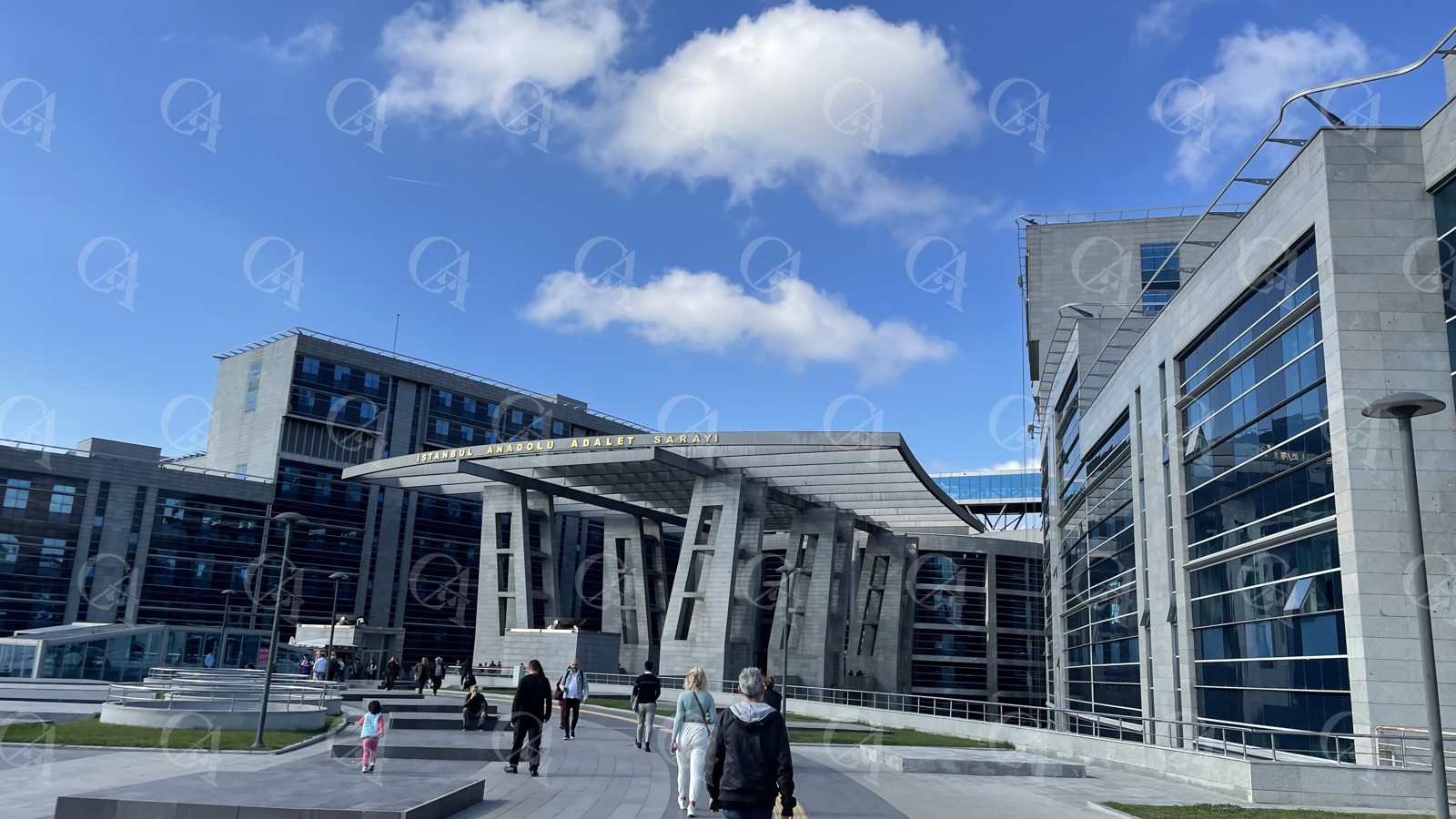
Flee with $2 billion, get 11,196 years in prison — and still not return the money (Thodex)
The Turkish exchange Thodex promised an easy road to cryptocurrency wealth to nearly 400,000 people. When the time came to make good on those promises, its founder chose a different road — to the airport. The story of Thodex is one of the few cases where the collapse of a crypto exchange was followed by a sentence measured in thousands of years of imprisonment, and at the same time one of the starkest examples of how a harsh sentence returns not a single dollar to the victims.

From "Bank of the Future" to 12 years in prison: how Alex Mashinsky defrauded millions of depositors (Celsius Network)
Celsius Network promised clients that their crypto assets would be safer than in a bank, and paid interest on deposits that no traditional financial institution could offer. At its peak in the autumn of 2021, the platform managed around $25 billion in assets, becoming one of the largest crypto lenders in the world. On 12 June 2022, everything collapsed: the platform froze withdrawals, $4.7 billion in client assets were caught in the freeze, and it later emerged that founder Alex Mashinsky had personally withdrawn $8 million for himself and had spent years manipulating the price of his own CEL token.
Domino effect: how the collapse of a single hedge fund brought down a crypto platform with millions of clients (Voyager Digital)
Voyager Digital positioned itself as a convenient and safe broker for retail cryptocurrency investors, even hinting to clients at bank-style deposit protection — a claim that would later force a regulator to step in. But behind this facade lay a critical concentration of risk: the platform had lent 60% of its loan portfolio to a single counterparty — the hedge fund Three Arrows Capital (3AC) — which failed to repay $650–666 million in debt. On 5 July 2022, Voyager filed for bankruptcy, becoming one of the most prominent victims of the domino effect that swept through the crypto market that summer.
Riot police in the offices of one of Russia's largest brokers: the TeleTrade story
In 2016 the offices of TeleTrade — one of the three largest regulated forex brokers in Russia — were raided simultaneously by OMON riot police on suspicion of fraud. This was not a raid on some underground fly-by-night operation, but a forceful action against a leading, legally licensed player in the market. Investigators seized computer files, documents and, according to law enforcement, evidence that the company's trading systems had been deliberately configured to work against its clients.

$77 million in "kickbacks" behind a facade of honest order execution: the FXCM case
For years, FXCM marketed itself to clients as a broker with a "No Dealing Desk" model — that is, one that executes orders directly on the market, with no internal conflict of interest. In practice, however, according to the findings of US regulators, the company received $77 million in hidden "kickbacks" from the market-maker firm Effex Capital, which it itself secretly controlled and supported.

$40 billion in a matter of days: the collapse of the algorithmic stablecoin that promised the impossible (Terra/LUNA-UST)
Do Kwon's project offered depositors of the UST stablecoin a yield of around 20% per year through the Anchor protocol — a figure that should have raised a red flag for anyone familiar with traditional finance. UST held no real dollar reserves: its stability rested entirely on an algorithmic exchange mechanism with its sister token, LUNA. In May 2022 that mechanism buckled under the pressure of mass withdrawals, triggering a "death spiral" that wiped out more than $40 billion in value within days.
OptionsXO and Toro Media — when the "Goldman Sachs experts" turned out to be a fiction
Imagine a call from a "former Goldman Sachs trader" offering a programme with the telling name "The Secret Millionaires Society" and promising a 90% return for an entry deposit of just $250. That is exactly how Hong Kong resident Sik Mun Simone Lok came into contact with the Israeli companies OptionsXO and Toro Media in 2015 — and over the course of eighteen months, she claimed in her lawsuit, lost a sum she estimated at nearly $10 million. The name of the legendary investment bank in the "adviser's" biography turned out to be a fabrication: no one on the team had any genuine connection to Goldman Sachs. The case reached the Tel Aviv District Court and ended in a settlement — with no admission of guilt and no disclosure of the compensation amount.

Billions in customer money spent on luxury — and a rare case where the system was finally held to account (FTX)
In just a few years, FTX transformed from a niche startup into one of the largest cryptocurrency exchanges in the world, and its founder into the face of a "responsible" crypto market: he testified before the US Congress, funded political campaigns and publicly called for tighter regulation of the industry. The company's collapse in November 2022 showed within days just how deceptive an image of reliability can be — and became a rare case in which accountability did, after all, catch up with the system.
PlusToken: a pyramid scheme of 2.6 million participants and the largest crypto seizure in history
In China in 2018, a project was launched that gathered millions of participants within a matter of months, promising profits through a sprawling referral system with thousands of nested levels. PlusToken positioned itself as a cryptocurrency wallet with a built-in investment tool, but in reality it was one of the largest pyramid schemes in the history of cryptocurrency — and at the same time the subject of one of the largest asset seizures ever carried out by law enforcement.

Swapped-out contracts: how a fake clone of a well-known DeFi protocol siphoned off $10.8 million (Compounder Finance)
Compounder Finance posed as a clone of already proven and trusted DeFi protocols — Compound, Harvest and Yearn. The developers first deployed audited contracts, thereby earning users' trust, and then quietly swapped them out for covertly malicious versions and drained $10.8 million of user funds. The case became one of the most striking demonstrations that even a passed audit does not guarantee a smart contract's long-term security.

A "bonus review" that dragged on for years: how IronFX blocked client withdrawals
In February 2015, one of the world's largest forex brokers began mass-blocking clients from withdrawing their own money. The official explanation sounded bureaucratically harmless: the company was conducting a "bonus review". In reality, according to a subsequent journalistic investigation and an audit by the Cypriot regulator, the shortfall in client funds within the company's structure reached roughly $176 million.
MyForexFunds: how the CFTC accused the firm over $310 million — and lost
More than 135,000 traders entrusted their money to MyForexFunds, paying, according to the regulator, at least $310 million in fees for the right to trade "on the company's capital". In August 2023 the U.S. regulator, the CFTC, accused the firm of a massive scam and froze its assets. But the ending of this story turned out to be nothing like what the victims expected: the case was dismissed, and it was the regulator itself that had to pay the legal costs.

The "Wolves of Tel Aviv" — how the binary options industry robbed the world of $5–10 billion a year
Imagine an industry that year after year drained billions of dollars from people's pockets around the world — and did so almost openly, from office towers in the heart of Tel Aviv. That is how Israel's binary options industry emerged in an investigation by The Times of Israel journalist Simona Weinglass, published in 2016 under the title "The Wolves of Tel Aviv." The investigation documented more than 100 companies that had operated for years under practically identical fraudulent schemes, robbing millions of people worldwide. The combined annual losses of victims were estimated at $5–10 billion a year.
The Funded Trader: how the trades of thousands of traders vanished overnight
On 28 March 2024 The Funded Trader abruptly "suspended operations" — and voided the trades it had made with traders. By that point the company had already spent months denying payouts to one in every ten clients. The company's main broker terminated the partnership that same week, and the firm itself was left with a choice: shut down for good, or be reborn somewhere else.

Vault Options and Global Trader 365 — a lifetime trading ban for a scheme spanning 22 US states
Two Israeli companies operating exclusively online offered Americans supposedly profitable binary options trading, even though neither had ever registered with any relevant regulator. Vault Options Ltd. and Global Trader 365 operated effectively in parallel and managed to draw in clients across 22 US states. The money people deposited into their accounts was never invested anywhere and was almost never returned. This only came to light once the US Commodity Futures Trading Commission (CFTC) took up the case, and in the end both companies received a lifetime ban on trading activity.
The Italian exchange where 80% of the cryptocurrency "Vanished" before anyone even found out (BitGrail)
Sometimes the most dangerous sign of fraud is silence. BitGrail stayed silent for months while client funds disappeared, and only a subsequent forensic examination revealed how long the truth had been concealed. For the thousands of traders who traded the Nano token here specifically for its low fees and convenience, this exchange seemed like an ordinary technical tool rather than a potential trap.

InsideOption / SecuredOptions — from a Singaporean victim's complaint to an arrest for fraud and extortion
Imagine a binary options broker that for years promised clients around the world easy earnings from predicting currency and stock prices, and instead systematically stripped them of their savings. That is exactly what the scheme run by the Israeli companies InsideOption and SecuredOptions turned out to be. Its collapse began not with a large-scale regulatory investigation, but with a single letter — a complaint from a woman in Singapore who had lost up to $500,000. The Tel Aviv police set about checking the tip-off and, within a few months, uncovered an entire fraud network with elements of outright extortion.

Licence revoked, assets not handed over: the collapse of Union Standard International Group (USGFX)
When the Australian regulator ASIC revoked USGFX's licence in 2020, this was supposed to mark the start of the process of returning money to clients. Instead, the company's parent structure — with an ultimate beneficial owner resident in Myanmar — simply refused to cooperate with the liquidators or to hand over assets. It later emerged just how deep the hole was: according to the appointed liquidators' estimates, creditor claims reached about $357 million, while only roughly $8 million remained actually available for distribution.

SurgeTrader: the week between losing its licence and shutting down completely
From February 2024, SurgeTrader's traders began complaining about payout delays. When Match-Trade Technologies terminated the licensing agreement over unmet obligations, the company needed only a week to disappear entirely — on 24 May 2024. Even before this collapse, the firm carried a reputational trail that few clients noticed in time.
BitConnect: how the promise of "1% a day" fleeced 4,500 people across 95 countries
The project promised what, on paper, sounded like a gift of fate — deposit cryptocurrency and receive roughly 1% profit every day, endlessly. Over two years, a company grew around this promise that raised $2.4 billion from people in 95 countries worldwide. And then, in a single day in January 2018, it all collapsed, and millions of dollars simply evaporated along with the platform.

MyFundedFX/Seacrest Funded: a rebrand that did not save the company — but did save its reputation
The company changed its name to Seacrest Funded in February 2025. Exactly one year later, on 6 February 2026, it halted its entire prop-trading business without warning — but, unlike most other cases, it organised an official process for refunding traders (applications until 28 Feb 2026). By that point the company had managed to become one of the biggest names in the sector.
Tell us briefly what happened
Every fraud case has its own nuances. If you recognise your own situation in any of this, describe it briefly, and we will get back to you on how we can help.
Get in touch