
$430 million in debt two months after the IPO: the collapse of Refco
Two months after investors enthusiastically snapped up shares in its IPO, Refco Inc. went bankrupt — and it did so in just seven days. Refco was the largest independent futures broker in the US, a symbol of reliability in the exchange market. The cause of the collapse turned out to be both banal and shocking: the company's chief executive had for years hidden hundreds of millions of dollars in debt in an offshore entity under his control — and neither the auditors nor the investors who had just bought the company's shares on the exchange knew anything about it.
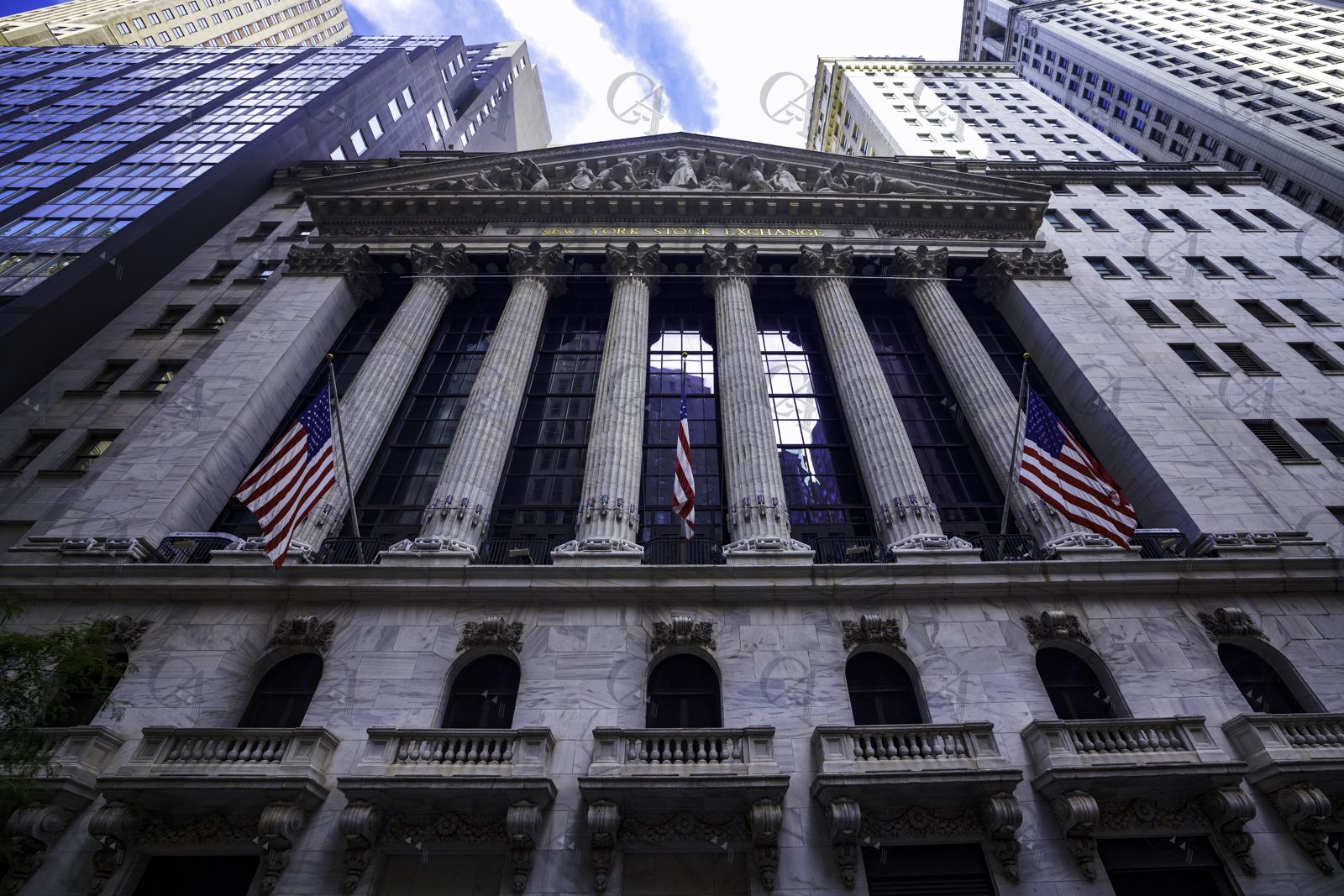
Refco Inc. spent decades building an image as one of the most reliable players in the US futures and derivatives market, serving both retail and institutional clients. In August 2005, the company carried out a successful initial public offering on the New York Stock Exchange, raising around $583 million — an event that was meant to confirm Refco's status as a stable, publicly traded player in the financial market.
In reality, chief executive Phillip Bennett had been concealing about $430 million of the company's bad debts every quarter since 2002. The scheme worked as follows: at the end of each reporting quarter, a unit controlled by Refco extended a loan to an affiliated hedge fund, Liberty Corner Capital Strategies, which immediately redirected those funds into Refco Group Holdings — a private company owned personally by Bennett. In this way the bad debts temporarily disappeared from the balance sheet at precisely the moment of reporting to auditors and investors, and were then returned afterwards.
The truth came out on 10 October 2005 — just two months after the IPO, when the company's management was forced to disclose the hidden debts. Confidence in the company collapsed instantly: within seven days, on 17 October 2005, Refco filed for Chapter 11 bankruptcy — one of the largest corporate bankruptcies in US history.
In February 2008, Bennett pleaded guilty to 20 counts, including securities fraud, conspiracy and mail fraud. In July 2008, the court sentenced him to 16 years in prison.
Published 21 December 2020
Does your situation resemble this case?
Tell us briefly — we will help →